Reading Liu Run’s daily lesson for September 11, the line “Good intentions do not always produce good results” made me think of Mom and me.
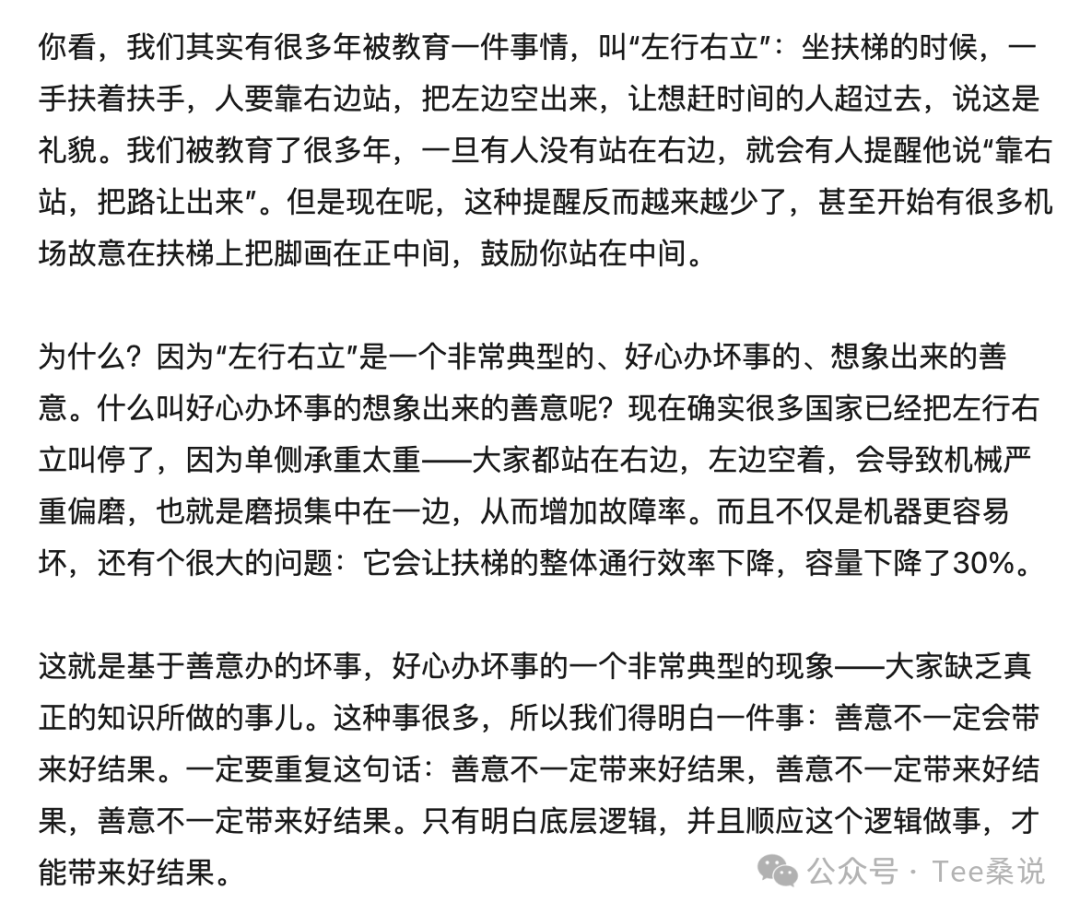
I buy electronic devices for Mom, and she frequently supplies me with food. We both spend money, hoping the other will find the things useful or eat well. Yet she rarely uses the devices, and food in my refrigerator sometimes expires without my noticing.
I had my reasons for buying her a recording card and a Dedao Brain subscription. I worry about her memory becoming worse, and hoped she could record everyday things, gradually building a record of her life. Later, if she needed to recall something for a doctor’s appointment or look up an expense, it might be easier.
These uses feel natural to me. I paint, write, and, over the past two months, have been doing Vibe Coding. When something happens, I instinctively record it with my recording card. The notes then collect in my knowledge base, which helps me use my tools more smoothly. This approach works for me, so I very much wanted Mom to use it too.
But she never had this habit. She does not necessarily even keep handwritten accounts anymore. Why would an extra recording card and a piece of software make her begin recording things every day?
I imagined how convenient it would be for her later, but may have underestimated how much she had to learn now. Did she feel a need for it? Was she willing to change her existing habits? Perhaps I had not left enough room for those questions in my plans.
Knowing she hardly used it still made me a little unhappy. I had bought the hardware and paid the membership fee. It inevitably felt wasteful. I had wanted to save her trouble, but it could easily turn into me caring whether she used it.
Thinking this through, then looking at my own refrigerator, I realized I had hardly been more cooperative than Mom.
Mom often prepares food for me because she wants me to eat well and not go hungry. I understand her kindness. But once I become absorbed in something, whether painting or, lately, making things with AI, I often feel little hunger or appetite. At those times, it really feels as though food for the mind can fill my stomach too.
The food stays in the refrigerator. By the time I remember, some of it has expired.
“Watching it expire” would not be accurate. I do not sit there deciding not to eat it. Usually my attention is elsewhere, and I miss the moment without noticing. Yet Mom has spent money and put thought into buying those things too.
“I can explain why I didn’t eat the food,
yet I easily feel let down by her not using the device.
Thinking about that, we seem quite alike.”
Calling both things “doing harm with good intentions” seems a little too harsh. Our care is real. But once it reaches the other person, it must pass through their habits, needs, and current state before it can produce the result we had hoped for.
Liu Run’s lesson discussed how good intentions alone are not enough; we also need to understand how things work. Applying it to Mom and me, I wondered how much we really know about each other’s lives. Being so close does not mean that what feels convenient to me must feel convenient to her.
Looking beyond us, similar things happen in other relationships. Some interruptions are a friendly greeting that makes both people feel close. Others leave the recipient having to spend time or do something afterward. The person offering help may not notice this.
Especially when someone has ability and resources, solving another person’s problem may require little effort. The person receiving the help, however, may already be wondering how to repay it.
People who care about reciprocity may not feel comfortable receiving indefinitely. If they cannot repay the kindness now and do not want to remain indebted, the help can also bring pressure. Over time, even being together may become less comfortable.
I think that as someone comes to understand boundaries, they may become a little less hastily helpful. Even if they can help, they may consider whether the other person wants to accept it and whether it could put them in an awkward position. Less contact alone does not tell us that someone has become cold.
Of course, relationships also contain another, painful possibility. Someone may only want your abilities and time, then disappear once the task is done. You may have considered that help part of the relationship and hoped for further contact. That is where the mismatch appears.
But even here, I think I need to be careful. A failure to respond as I expected does not automatically mean someone is taking advantage of me. Sometimes they simply came for help, while I expected more from the relationship than I initially realized.
If someone repeatedly takes without caring whether I am willing or available, then the boundary does need to be stated clearly. But if I secretly hope for repayment or a closer relationship, I must first acknowledge that expectation. Saying it is fine while silently waiting is tiring for both people.
I do not want a few disappointments to make me increasingly unwilling to help. But I also hope to offer my care to people who want to accept it and actually need it. There is a lot to distinguish here, slowly. I am still learning too.
To return to Mom and me: I have now taken the recording card back.
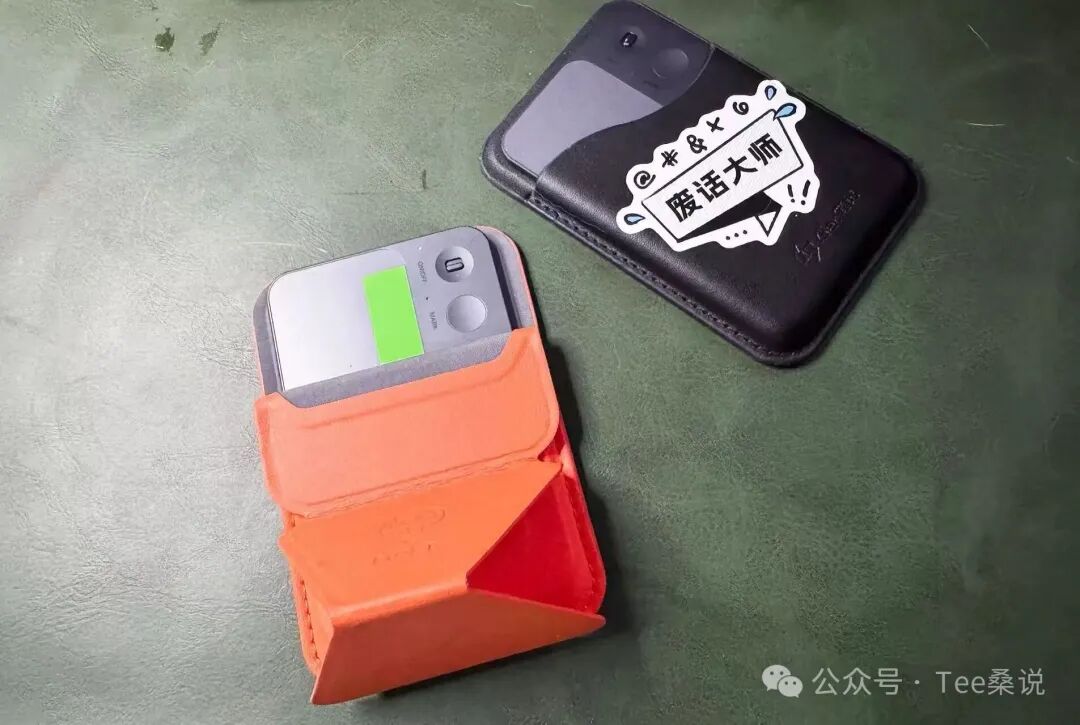
I have been watching livestreams fairly often lately, and sometimes several I want to learn from happen at the same time. WeChat Channels livestreams are not very convenient to capture, and some have no replay. Having two recording cards gives me more flexibility. Since Mom hardly used hers, I brought it back to use myself. She was quite happy with that, or perhaps more accurately, she did not really mind. After all, the card had never become part of her everyday life.
It is similar with food. Sometimes, when I notice something is nearly expired, I take it back to the family home in time, trying not to waste it. If I cannot eat it in time at my place, it can go somewhere it will be eaten.
Seen this way, it is not so complicated. Who keeps an item, and how it is handled, can depend on what feels comfortable to both of us. I have taken the recording card back, but my wish to make Mom’s life easier remains. The food has gone back home, but her wish for me to eat well remains too.
“After all, we are family.
If we can understand the care behind it,
I think that is already quite good.”
The views, experiences, and final judgments in this article are the author’s. AI assisted with organizing the text. The discussion of “Good intentions do not always produce good results” draws on Liu Run’s daily lesson of September 11, 2026.
What did this bring to mind?
Share a memory, a different view, or a thought you would like to continue. No account is needed. Comments appear after review; readers’ words remain in their original language.
Conversation
Loading comments…