
“It only takes an hour or two a day.”
Heard on its own, that doesn't sound like much. But I wonder: where would that hour or two come from?
I want to read and paint, and I'm interested in music too. I want to play games, and exercise takes time as well. I'm willing to do many of these things, and I enjoy them. But there are only 24 hours in a day. Giving a little more to one thing means giving a little less to another.
If I add a new learning plan, should I first read a little less, spend less time gaming, or paint one fewer painting?
“Looked at that way, an hour or two no longer sounds quite so light.”
Over the years, I've tried managing my time many times. I've always hoped that the things I do are things I willingly choose and can enjoy. For more than a decade, I've largely followed what drew me to them in the first place.
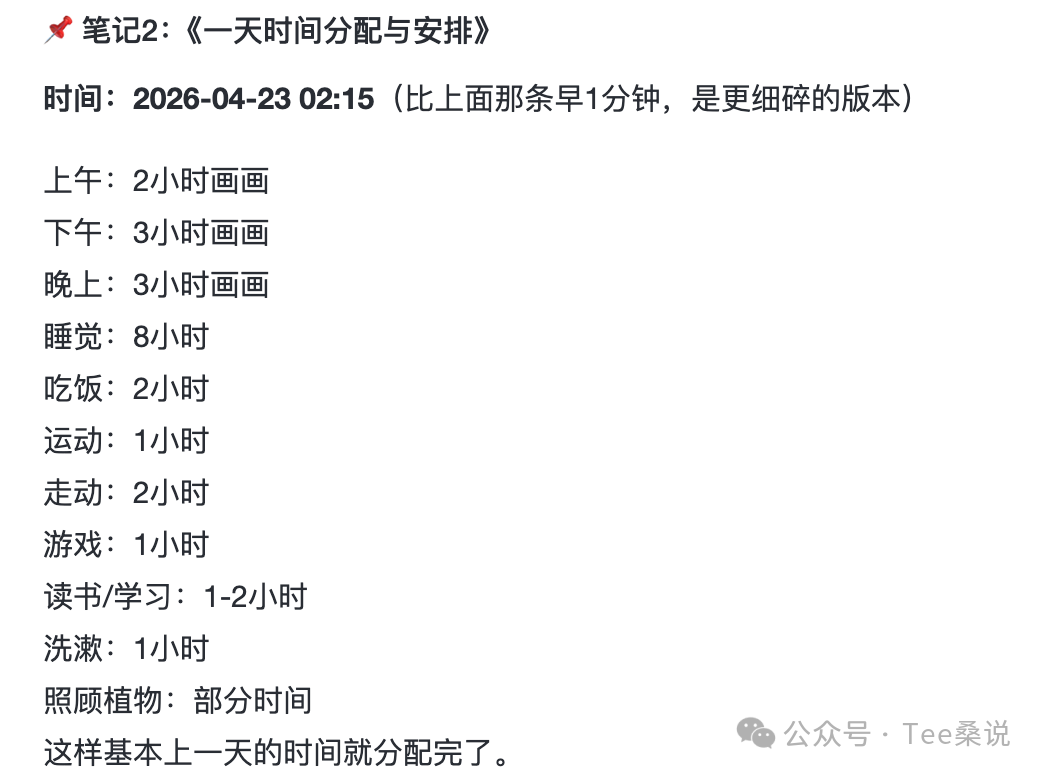
But having many things I like still pulls me in different directions. I can rearrange the timetable; the things I want to do don't automatically become fewer.
There's been a particularly clear example lately.
I've hardly painted for nearly two months. As far as I remember, I painted one piece while visiting a friend's company and chatting. Most of the rest of the time has gone into vibe coding, writing and working on projects with AI. And I've really enjoyed it.
Say an idea out loud, and soon there's a version to look at. If something feels wrong, you can keep talking and keep changing it. Things that were once vague in my head slowly become articles, websites, and videos. The immediate feedback in that process is very strong.
I don't feel that time was wasted, and I don't regret painting less recently. As a content creator, painting has always been one of my means of expression. Lately, I've simply been expressing myself more through other means.
But when I pick up a brush again, I can clearly feel that my hand has become a little rusty. Even the process of painting feels slightly less smooth.
“The body is honest about this. When you start again, you can feel how long it's been since you practiced.”
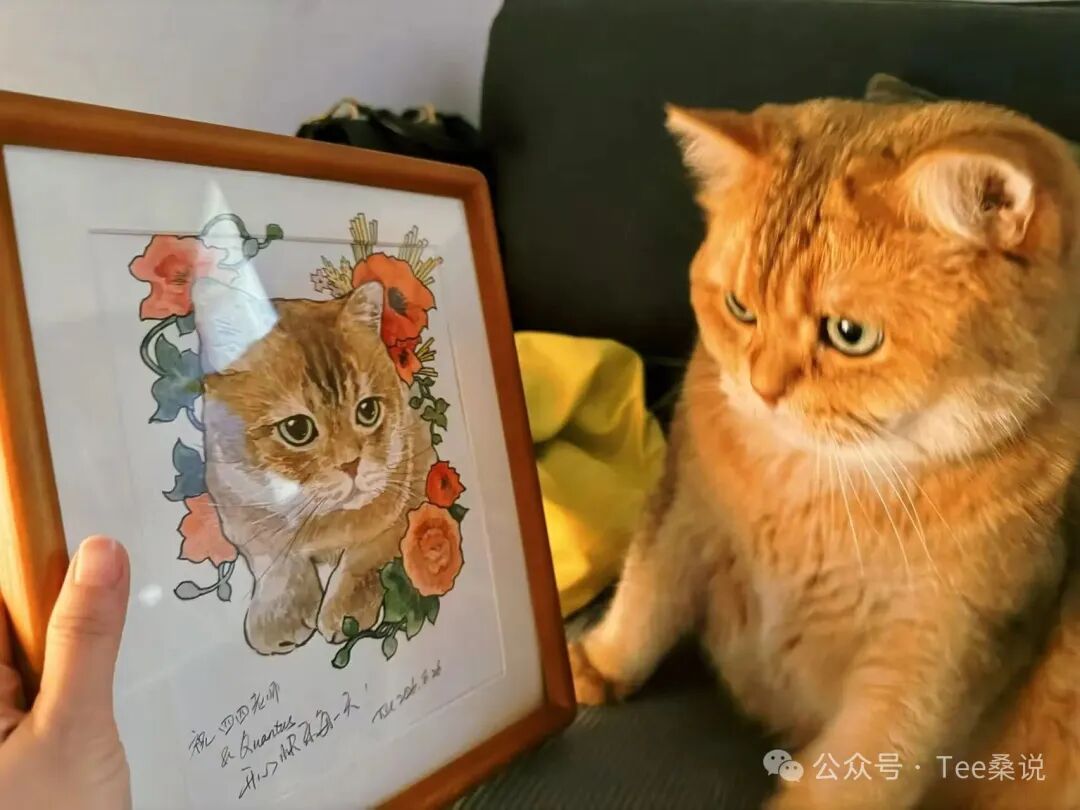
So of course I know painting needs regular practice. Every time I plan my time, I include painting.
But once I actually start working, the feedback from creating with AI is so strong that it's easy to keep going. Painting gets put aside again.
I also think: after nearly forty years of painting, setting it aside for a while doesn't seem like such a big deal. I'm doing these new things just as willingly.
It's just that setting it aside really does make me rusty.
“Knowing the value of regular practice doesn't automatically put a brush in my hand every day.”
So when I hear “It only takes an hour or two a day” again, I think about it a little more.
For a particular practice, that may be a reasonable investment. But once it's placed inside someone's life, it has to share time with what they're already doing.
Reading, painting, and music each seem worth a little time. If every one of them says “just a little every day,” it's still hard to take care of all of them together.
Games and entertainment aren't necessarily things I can remove at any moment either. If I truly enjoy that time and want to keep it, I have to acknowledge that it occupies a place. I can't erase it when planning and still want it in actual life.
Now I feel that, when managing time, I need to look not only at what I want to do, but also at what I'm prepared to do less of.
I've done more AI projects lately and painted less. That's the allocation that has actually happened. Even if painting is still on the timetable, the rustiness in my hands won't disappear simply because I've written it there.
As for whether to paint more next or keep giving more time to what interests me now, I still go back and forth. For the moment, I have no answer that fits all my interests into the day.
But at least when I add a new plan, I hope I can also see the time account behind it. What was I doing with that hour or two before? Am I willing to trade it? How will I feel after doing less of another thing I enjoy?
I won't necessarily choose decisively every time. But with only so much time in a day, I can't always expect to keep everything I like exactly as it is and then add one more thing.
If there's something you've really wanted to start lately, you can first complete this sentence for yourself:
“To begin doing ______, I'm willing to spend a little less time doing ______ for now.”
There's no need to rush to fill the whole week. First, see whether you're willing to fill in the second blank.
“What have you given your time to lately, and what other thing you enjoy have you temporarily set aside? After choosing, does it feel worthwhile, or are you still thinking about the other side?”
The views, experiences, and final judgments in this article are the author's. AI assisted with organizing the text.
What did this bring to mind?
Share a memory, a different view, or a thought you would like to continue. No account is needed. Comments appear after review; readers’ words remain in their original language.
Conversation
Loading comments…