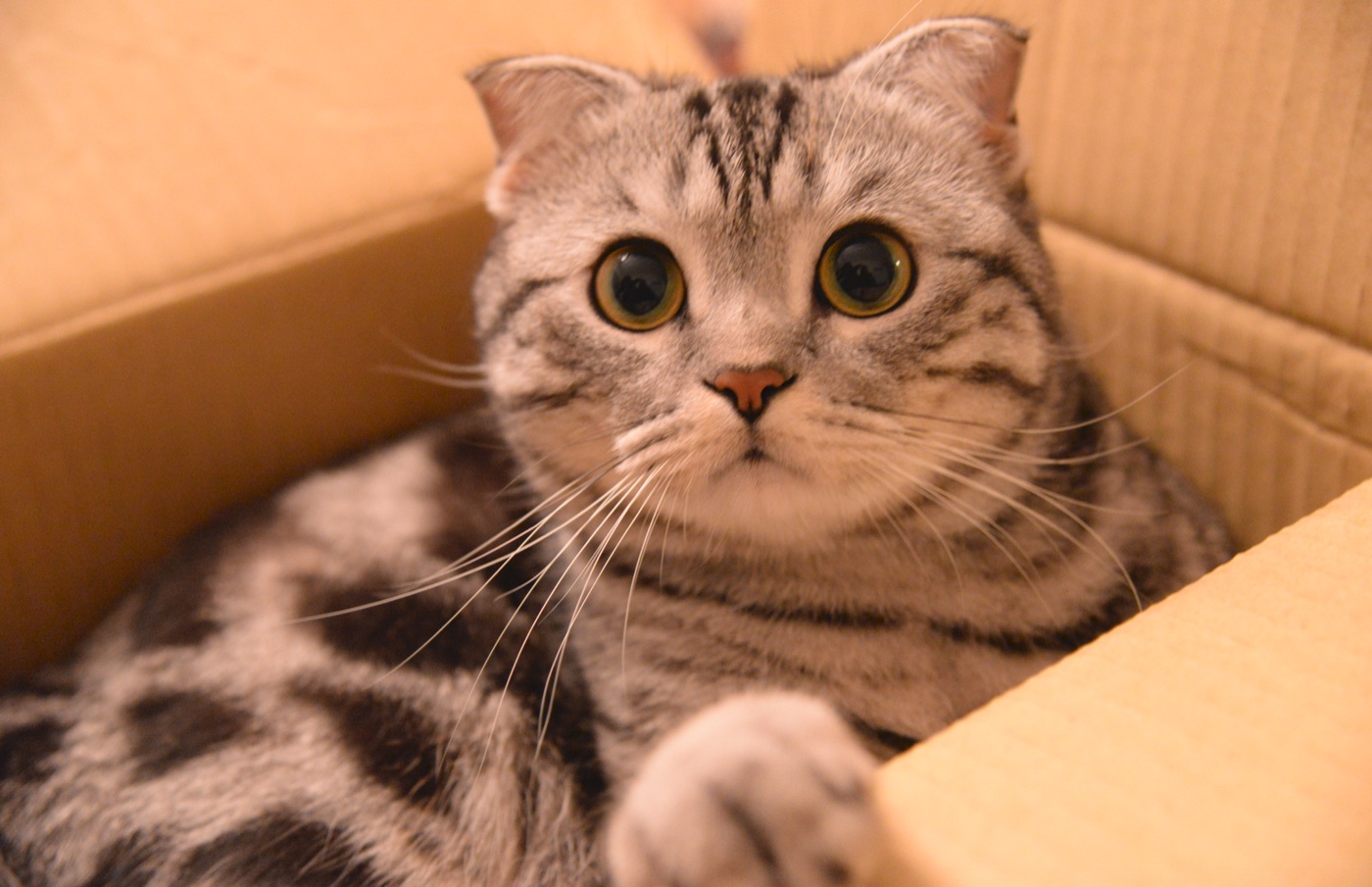
Today, a WeChat friend asked in a comment on Moments, “Why have you stopped updating Sanmu's Memoir?”
I paused.
It's true that lately I've been writing about AI all the time. AI tools, experiences of collaborating, new thoughts that keep appearing: one article after another, in a flurry of activity. Beside all that, Sanmu's Memoir seems to have been put aside for a while.
Strictly speaking, though, I haven't stopped updating it completely.
Before this, I had already posted more than 30 short pieces on Moments, adding up to around 10,000 Chinese characters. I hope to eventually organize them into a short-to-medium-length work of about 50,000 characters and put it on WeChat Reading. If conditions allow, I'd also like to try crowdfunding a printed book, to send to the friends who have watched Sanmu grow up and come to love him.
By that measure, 10,000 characters is only a beginning. There's still a long way to go before it's truly finished.
The reminder from the group member also made me realize something again:
AI can help me write articles, but memories cannot be invented.
It can help me organize the structure and adjust the wording. It cannot remember for me how Sanmu tilted his head and looked at me when he was little, or decide for me which moments in 14 years of companionship really changed me.
If it's called a memoir, I have to actually remember.
It can't be outsourced or rushed, and I can't add details that never happened just to make the story more appealing.
So I need to begin writing again.
After 14 years together, memory can grow dull too
“Memory” looks like a noun. To me, though, remembering is more like a verb.
Because if you don't actively think back and write things down, they slowly disappear.
We grow less sensitive to our own lives. Especially to the things that happen every day and seem unremarkable. Because they're so familiar, we rarely observe them carefully. When one day we try to look back, we discover that many details have already sunk out of reach.
Sanmu has shared my life for 14 years, including the days when I left Shanghai on study trips.
But most of the interactions I can clearly remember now are concentrated in the first three or four years, when he was still little.
He would prick up his ears to listen to me, tilt his head to watch me paint, turn away when impatient, or suddenly jump onto the desk and cause trouble. He did so many things, and I was so curious about him that I kept watching.
Later, we gradually settled into a state that was “just right.”
I painted and he lay nearby; I wrote and he slept on the windowsill; I got on with my work and he got on with his days.
We were both there, and somehow neither of us was.
It was comfortable, but it also made it easy to lose sensitivity. Seeing him every day, I assumed tomorrow would be the same. Used to his presence, I stopped deliberately looking for what had changed.
If someone suddenly asked, “What's different about Sanmu lately?”
I might not be able to answer right away.
He seemed to eat and sleep as before, lying in the familiar places. But if I looked closely, the color of his coat had changed a little, his movements were slower, and he slept more and more.
It wasn't that nothing had changed. The changes happened so slowly, and I had grown used to them.
So writing Sanmu's Memoir is more than leaving a story behind. It's a way to push myself to dig up the details close to sinking out of sight, and to see again a life so familiar that I had almost begun to overlook it.
Memories aren't information sitting in the mind, waiting to be retrieved.
Remembering is a verb, not a noun. It's something to do now.
An American Shorthair tabby with folded ears accompanied my freelance life
The 14 years Sanmu has been with me almost coincide with my time as a freelancer.
In 2010, I returned to Shanghai to start again. I joined an online marketing company, used the company's platform to learn operations, and began running my own Weibo account. At the same time, I resumed practicing watercolor and recorded my daily practice and life little by little.
In 2013, I posted about commissioned watercolor pet portraits and unexpectedly received a lot of attention. Six months later, I quit my job to take commissions from home and officially began freelancing.
It was around that period that Sanmu entered my life.
My reason for getting a cat was quite simple: someone who paints needs a subject they can observe over time. With a cat of my own, I'd at least have something I could keep painting and creating from.
At first, I also painted from cat photographs I found online or painted other people's commissioned pets. But something always felt missing when painting from online images. The pictures were attractive, of course, but I didn't know why the cat was lying that way, what it had done a second earlier, or what feeling lay behind its gaze.
After Sanmu arrived, all of that changed.
Sanmu isn't actually easy to paint. He has classic American Shorthair markings, with very subtle changes of light and dark in his coat. It's difficult to express the volume through solid colors. But because it was Sanmu, I was willing to spend time observing his expressions, postures, and every small movement.
Those observations didn't only remain in the paintings. They also trained my ability to paint.
As long as he was there, my creative work and life had another point of reference.
Starting with Sanmu to remember life again
After writing about Sanmu, I also want to write about my parents, my family of origin, and the people and events that shaped the person I am today.
Both of my parents are over 70 now.
How they lived, what they experienced, and how they influenced me bit by bit: if I don't ask and dig into these things now, I may never be able to recall them later.
Some of my sensitivity, concern about other people's opinions, and occasional feelings of unworthiness may have roots in my relationship with Mom. Much of my optimism, boldness, and willingness to try new things comes from Dad.
I've only gradually worked these things out over the last few years.
But understanding alone isn't enough. What actually makes up a person is the specific scene: what they said, what they did, and how I understood it. Without those details, all that remains is a set of vague conclusions.
Sanmu's Memoir has therefore become the first stop.
I'll begin with a cat I live with day and night, practicing how to observe again, how to find details, and how to face the changes time brings. Then I'll carry that sensitivity back into life, to see my parents, the past, and myself afresh.
When people first see the title Sanmu's Memoir, many instinctively ask, “What happened to Sanmu?”
Let me clarify: Sanmu is still alive. He's 14 this year, and his everyday condition is reasonably good for now.
I don't want anxiety about aging to make me put him through things unnecessarily and repeatedly. I'll continue watching for changes in his eating, drinking, movement, and spirits. If something is really unusual, I'll face it promptly. But with a 14-year-old cat, I'm also learning to accept aging itself and to keep him company as calmly as I can.
Sanmu's Memoir is not an obituary.
Commemoration doesn't have to wait until after a goodbye.
I simply want to write these years' stories down slowly while Sanmu is still here and I still remember. A record for him, and a backup of my own 14 years too.
What is most worth writing is often easiest to forget
At this point in writing, I looked up.
Sanmu was lying beside me. I was writing about him, and he had no idea.
I did my thing; he lay there doing his. We kept one another company without getting in each other's way.
This “just right” state is precisely what is most worth writing about and easiest to forget. It's so ordinary that we always assume it will go on like this.
But it won't.
Time changes everything, including this quiet in front of me.
The 10,000 characters on Moments are only the beginning of this remembering. Next, I need to keep moving toward 50,000, picking up those scattered fragments again and trying to make them into a complete memoir of Sanmu.
Whether it can appear on WeChat Reading, or eventually be printed as a real book, is something for after the writing is done.
While I still remember. While he's still here.
What matters more now is to write it down first.
What did this bring to mind?
Share a memory, a different view, or a thought you would like to continue. No account is needed. Comments appear after review; readers’ words remain in their original language.
Conversation
Loading comments…